An Open Letter from the YMCA of Greater Charlotte
For more than 150 years, the YMCA of Greater Charlotte has been part of the fabric of this community – a place where generations of Charlotteans have found connection, built healthier lives and benefited from programs and opportunities designed to be accessible regardless of economic circumstance.
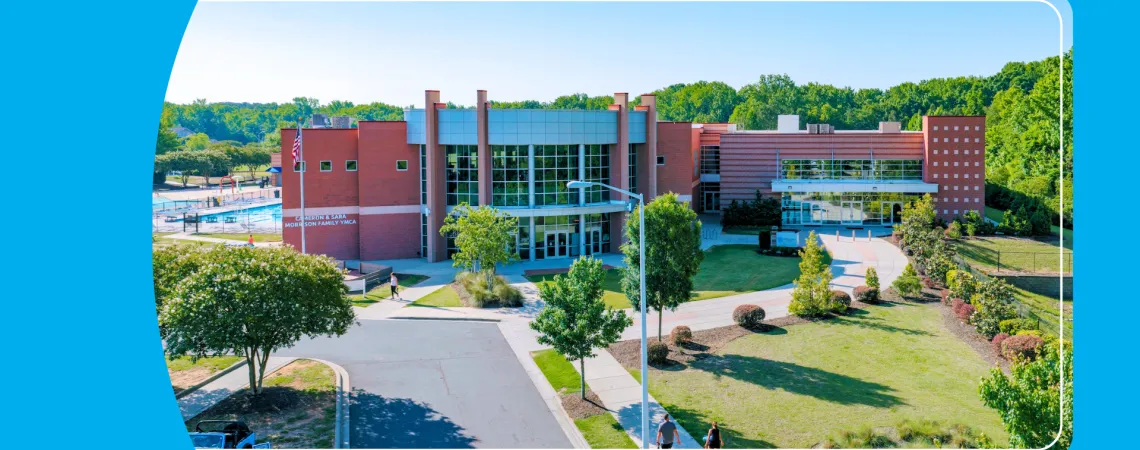
Over the past several months, we've heard questions about the sale of the Morrison Family YMCA. But we've also heard a broader question that extends beyond Morrison: “What's going on with the Y?”
It's a fair question.
We've spoken publicly about the financial challenges facing our organization and the difficult decisions we've made along the way. We would like to explain in greater detail the circumstances that brought us to where we are today and why they have required difficult choices about the future of our YMCA.
That story begins in 2020.
A changed world
Before the pandemic, the YMCA of Greater Charlotte generated approximately $100 million in annual revenue and served roughly 60,000 membership units (e.g., family, individual, etc.). Nearly 90% of our revenue came from memberships and programs. When COVID-19 forced our facilities to close, membership declined by 55%. In 2020 alone, we lost approximately $40 million in membership and program revenue. We did what was necessary to weather the immediate crisis. Expenses were reduced, positions frozen and capital projects deferred. We drew from reserves and worked with our lenders to create additional financial flexibility.
But reopening our doors did not mean returning to the YMCA we had been before the pandemic.
Members began to return, but not at the level we had previously seen. By 2023, membership had recovered to approximately 42,500 units – a meaningful improvement, but still well below our pre-pandemic base. At the same time, consumer habits and the competitive landscape had changed, while the costs of operating and maintaining our facilities continued to grow.
For several years, the YMCA was effectively doing two things at once: recovering from the immediate financial impact of the pandemic while beginning the much larger work of building an organization that could be sustainable in the environment that emerged from it.
The difficult cost reductions helped stabilize the organization in the short term, but they could not be sustained indefinitely. Positions needed to be filled. Aging facilities needed attention. Our employees needed better systems and tools. And throughout it all, the Y remained committed to keeping membership accessible and providing financial assistance and philanthropic programs for children and families for whom cost might otherwise be a barrier.
By 2024, annual revenue was approximately $74 million – more than 25% below where it had been before the pandemic – and the YMCA continued to operate at a significant deficit. We had also identified more than $100 million in repairs and modernization needed across our facilities.
It was increasingly clear that simply waiting for membership to return to 2019 levels was not an answer. We needed to fundamentally rethink how our YMCA operated, how it was funded and how we managed our physical footprint.
That recognition shaped the development of our 2025–2028 strategic plan, focused on building a stronger, more sustainable YMCA. As the plan moved into action, approximately $12 million was invested in infrastructure, employees and systems. We also began taking a more strategic approach to our real estate portfolio, evaluating how our physical footprint could best support both our mission and the long-term financial health of the organization. Our Lincoln County facilities were transferred to another YMCA, allowing those communities to continue receiving YMCA services while generating resources to reinvest elsewhere, and unused land was sold to help fund additional critical investments.
Membership rates were also lowered to improve access and support membership growth amid the economic pressures many people continued to feel after the pandemic. And recognizing that membership revenue could no longer carry so much of our mission, we reorganized our development team to bring on new roles, diversified our approach to philanthropy and began laying the groundwork for a comprehensive fundraising campaign.
These actions were necessary, but rebuilding an organization of this scale takes time, and our financial challenges have continued to outpace our progress. The YMCA operated at a significant deficit in 2025, and that deficit has continued in 2026. Revenue remains well below pre-pandemic levels, while more than $100 million in facility repairs and modernization still lies ahead. The difficult reality is that the steps already underway, while beginning to move the organization forward, cannot on their own meet the critical investment needs of our Y. Additional resources and difficult choices about where and how we invest remain necessary.
The Morrison opportunity
As we continued to consider these difficult choices, we received an unsolicited offer to purchase the Morrison Family YMCA property, which had not been identified for sale. The offer was significant not because it gave the YMCA its first path forward, but because of what it could make possible within the work already in progress. It had the potential to materially change the YMCA's financial trajectory, address critical needs across the organization and provide the financial stability necessary for the Y to continue fulfilling its mission across greater Charlotte.
That did not make the decision easy.
Our Board of Directors – a group of unpaid volunteers – wrestled with what a sale would mean for Morrison members and the Ballantyne community, while weighing that impact against the financial realities facing the YMCA as a whole, including the long-term performance and investment needs of Morrison itself, which has not been immune from challenges post-COVID. Not only has recovery in membership since the pandemic been difficult, but Morrison has also faced increasing pressure from a highly competitive and concentrated health and wellness market across South Charlotte.
Over months of consideration, the Board examined our finances, facility needs, broader footprint and the opportunities the transaction could create. Ultimately, it concluded that an opportunity of this magnitude could not responsibly be turned away. The Board therefore entered into a binding contract with Moments of Hope Church, which the YMCA must honor.
We know that for Morrison members, this isn't a financial or real estate decision. It's about a place where they have built relationships and found community, and we know this change will be difficult for many.
Our commitment to Ballantyne
While the sale of the Morrison property will change how the YMCA serves Ballantyne, it will not change the Y's presence in and connection to this community.
Morrison will remain open through the anticipated closing in summer 2027. We are committed to continuing Morrison's core programs after the sale, and our team is actively working to finalize where programs such as fitness for all ages, including seniors; child and after-school care; youth sports; summer camp activities; and other similar services will be operated after the Morrison sale.
Nearby locations, including the Sara's, Brace Family and Hemby Program Center YMCAs, will help provide continuity for members and programs. We are also working with schools and community partners to identify opportunities to continue delivering programs closer to where Morrison families live.
At the same time, we are evaluating what a longer-term YMCA presence in Ballantyne can look like. There is more work to do, and we will share additional details as those plans take shape.
What comes next
The YMCA has served greater Charlotte for more than 150 years. It did not reach that milestone by standing still. Throughout its history, the Y has evolved alongside this community, adapting to changing needs and making difficult choices along the way. We know not everyone will agree with every decision our leadership and Board make. But we hope that laying out the circumstances that brought us here provides greater context for why these choices became necessary and for the work that still lies ahead. Charlotte has long depended on its YMCA, and the YMCA has depended just as deeply on Charlotte. We look forward to building what comes next together.
Sue Glass
President & CEO
YMCA of Greater Charlotte
Future of the Morrison Family YMCA
Related Articles

YMCA Leaders - Letter of Support
YMCA of Greater Charlotte Announces Plan to Reinvest in Centers, Community and Connection